Coffee Carbon Footprint Baseline Study

Advancing industry alignment on coffee carbon accounting and climate action

Aligning measurement to accelerate action

Turning coffee sector climate commitments into credible action requires a shared understanding of how emissions are measured and where they occur. Greater alignment on carbon footprint methodologies, backed by robust primary farm data, can improve the comparability of emissions baselines, strengthen Scope 3 accounting, and help companies and partners target mitigation efforts where they can make the greatest difference.
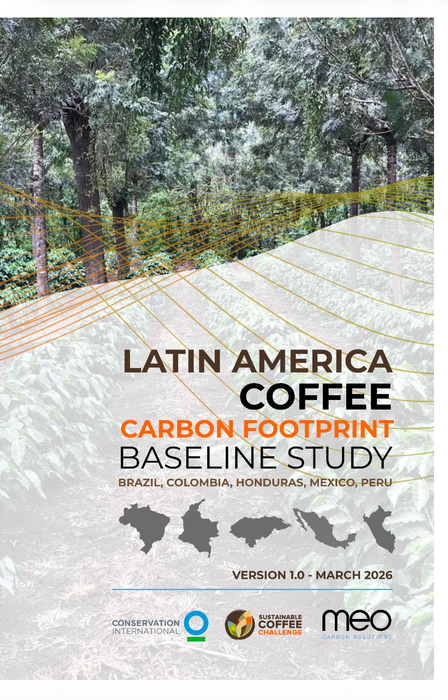
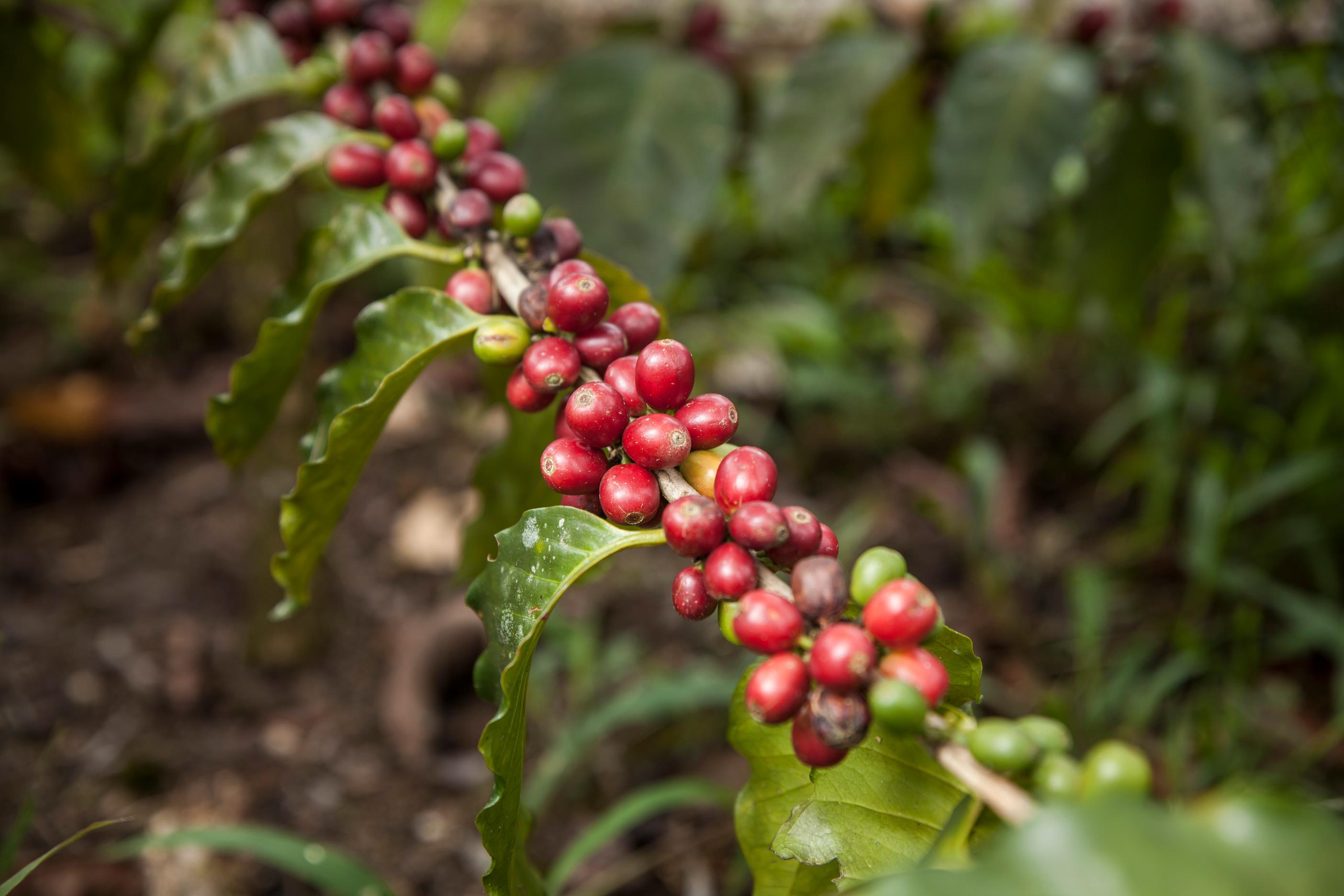
The Latin America Coffee Carbon Footprint Baseline Study

Between 2024 and 2026, the Sustainable Coffee Challenge convened an industry-wide effort to increase and improve open-access primary data and insights on greenhouse gas emissions from coffee production across five major coffee-producing countries in Latin America: Brazil, Colombia, Honduras, Mexico, and Peru.

Developed through pre-competitive collaboration among roasters, supply chain partners, technical experts, and other coffee sector stakeholders, the study provides nationally representative farm-gate greenhouse gas emission baselines based on harmonized primary data collection and recognized carbon accounting methodologies.

This study provides new evidence on on-farm emissions across diverse coffee production systems in Latin America. Beyond generating new data, the study establishes a foundation for ongoing industry learning, methodological alignment, and improved consistency in greenhouse gas accounting across the coffee sector.

Regional Analysis: Huila, Colombia

As an extension of the Latin America Coffee Carbon Footprint Baseline Study, the Huila Regional Analysis applies the same accounting logic, methodological boundaries, and analytical framework while increasing the resolution of analysis to the departmental level.

The study provides a regionally representative farm-gate carbon footprint baseline for Arabica coffee production in Huila, reflecting the production systems, management practices, and processing arrangements specific to the region.

By connecting broader industry insights with local realities, the analysis supports regional decision-making, climate investment design, and decarbonization planning.

Supporting resources

Explore the supporting technical resources developed through the Coffee Carbon Footprint Baseline Study.

Choose your next step

Whether you are ready to join, learn, or collaborate, there is a clear way to engage with the Sustainable Coffee Challenge.